
7 Things Agencies Wish You Knew Before Submitting (What to Know Before You Start Modeling)
Mar 05, 2026Breaking into the modeling industry can feel exciting, confusing, and overwhelming at the same time. Between social media myths and outdated stereotypes, many aspiring models receive mixed messages about what it actually takes to succeed. Before you submit to agencies, it is important to understand what professionals are truly looking for and what they wish more new models understood from the beginning.
If you are serious about learning how to start modeling, these seven essential modeling tips will help you prepare correctly and improve your chances as you work to get into modeling.
1. Confidence Matters More Than “Perfect” Looks
Many working models do not fit traditional beauty standards, and that is intentional. What consistently stands out to agencies is confidence, presence, and comfort in front of the camera.
Confidence does not require being loud or outgoing. It shows through posture, eye contact, and ease in your expressions. Even in still photos, confidence is visible.
If you are learning how to start modeling, spend time practicing posing, studying professional models, and becoming comfortable being photographed. Confidence is a skill, and agencies value it highly.
2. Agencies Want the Real You, Not Filters or Heavy Glam
One of the most common misconceptions about modeling is the belief that you need flawless, highly edited photos to be considered. In reality, agencies prefer simple, natural digitals that clearly show what you look like without distractions.
Digitals should be taken in natural light, against a plain background, wearing fitted clothing, and little to no makeup. Filters, dramatic styling, and over-posing often work against you because they hide your natural features.
Professional insight: Agencies are not searching for a finished product. They are looking for raw potential they can develop.

A natural photo of Malika Miller, a full-time model and agency owner.
3. Your Social Media Is Part of Your First Impression
In today’s industry, social media often acts as an extension of your portfolio. Many agents scout talent through platforms like Instagram and TikTok, and they frequently review profiles even when submissions come through official websites.
Agencies pay attention to:
- The overall tone of your content
- How you present yourself publicly
- Consistency and professionalism
- Authentic personality
Follower count matters far less than how polished, appropriate, and intentional your profile appears.
Modeling tip: Treat your social media as a public résumé. Everything you post should support your long-term modeling goals. If it's not the public image you want to have, consider making your account private.
4. Know the Type of Modeling You Are Right For
Not all modeling is runway or high fashion. There are many categories, and understanding where you fit helps you submit strategically and avoid unnecessary rejection.
Common modeling categories include:
- Commercial modeling
- Fashion and editorial
- Lifestyle and eCommerce
- Fitness modeling
- Petite or plus-size modeling
- Parts modeling
Figuring out which category of modeling you fall into will help you book the right test shoots and set up meetings with the right agencies. Don't just blindly submit. Make sure you find an agency that focuses on the modeling category where you fit best. 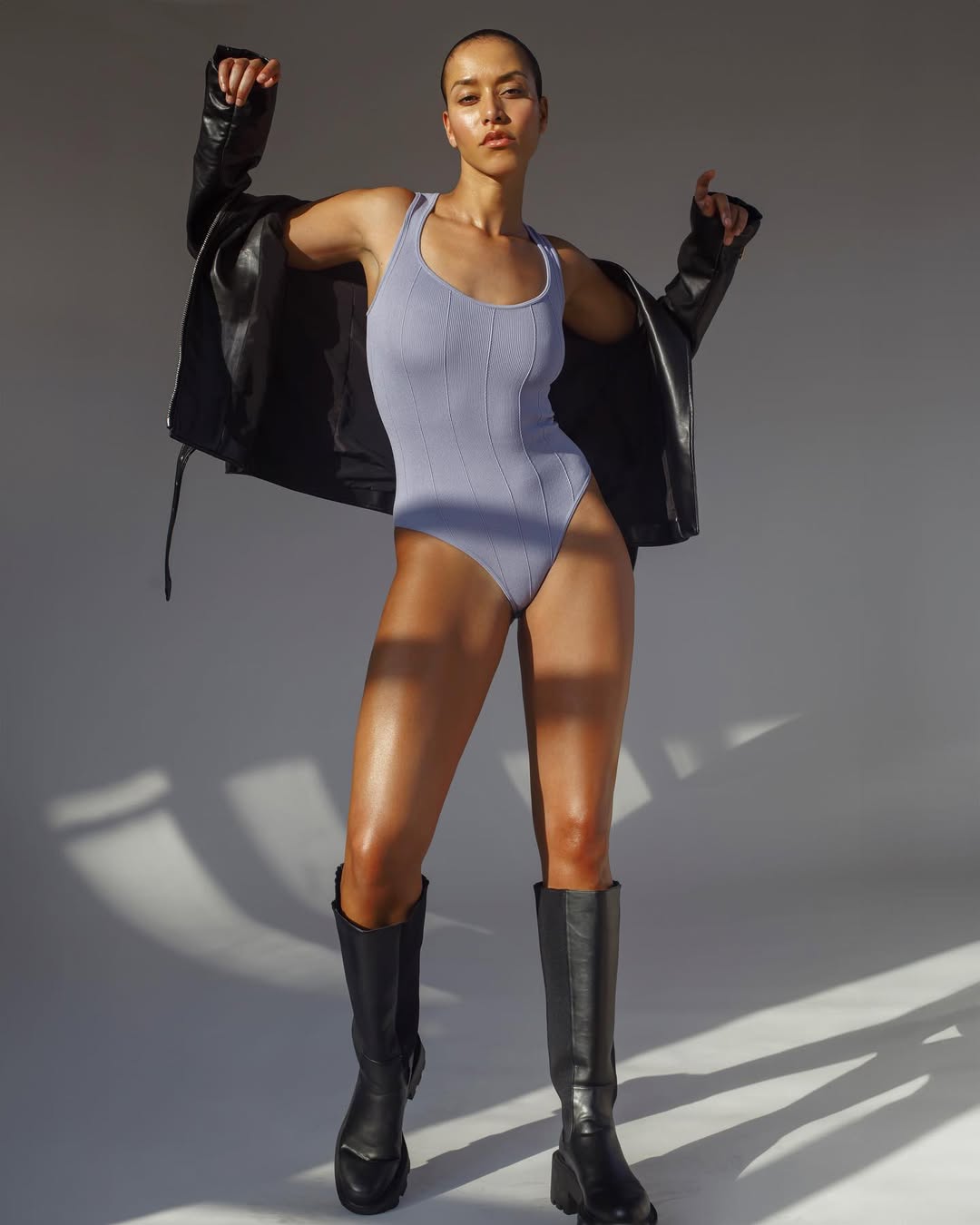 Malika Miller strikes a pose during an editorial photoshoot.
5. Learn How the Modeling Industry Actually Works
Before submitting or signing anything, you should understand how modeling functions as a business. Models are typically independent contractors, and agencies earn money through commission, usually between 10 and 20 percent of booked work.
Legitimate agencies such as SIGNEDworld do not charge upfront fees to represent models.
If someone guarantees success, pressures you to sign quickly, or asks for payment to join, those are clear warning signs.
Professional advice: Take your time, read contracts carefully, and never feel rushed into a decision.
6. Your Health and Well-Being Matter More Than Size
Sustainable modeling careers are built on balance and long-term health. Agencies value models who look energized, focused, and reliable on set.
Healthy habits include:
- Consistent sleep
- Balanced nutrition
- Proper hydration
- Light fitness and good posture
- Mental and emotional well-being
When you take care of yourself, it shows in your skin, energy, and confidence. Long-term success in modeling requires resilience as much as appearance.
7. Professionalism Will Set You Apart
Talent may open doors, but professionalism builds lasting careers. Being punctual, responsive, respectful, and prepared is just as important as your look.
The modeling industry is smaller than it appears, and reputations travel quickly. Agents, photographers, and clients remember models who are dependable and easy to work with.
If you want to get into modeling, start acting like a professional now. That mindset alone separates serious candidates from casual applicants.
FAQs About How to Start Modeling
- Do I need experience before submitting to agencies?
No. Agencies expect beginners and focus on potential rather than experience.
- Should I hire a professional photographer before applying?
Not initially. Clean, natural digitals are preferred for first submissions.
- Is there an age limit for modeling?
No. Commercial and lifestyle modeling include a wide range of ages.
- Can I apply to more than one agency?
Yes, as long as you are not under an exclusive contract.
- How long does it take to hear back from agencies?
It can take several weeks or even months. Silence does not mean failure.
- Where can I learn reliable modeling information?
Trusted platforms like iwanttomodel.com focus on real industry standards and education.
Final Thoughts
Before you submit, take the time to prepare and educate yourself. Understanding these seven essentials will help you avoid common mistakes, protect your interests, and approach agencies with confidence.
Learning how to start modeling is not about rushing the process. It is about preparation, consistency, and realistic expectations. When you are informed, your path to getting into modeling becomes clearer, safer, and far more empowering.
Don't miss a beat!
New moves, motivation, and classes delivered to your inbox.
We hate SPAM. We will never sell your information, for any reason.